
Product Overview
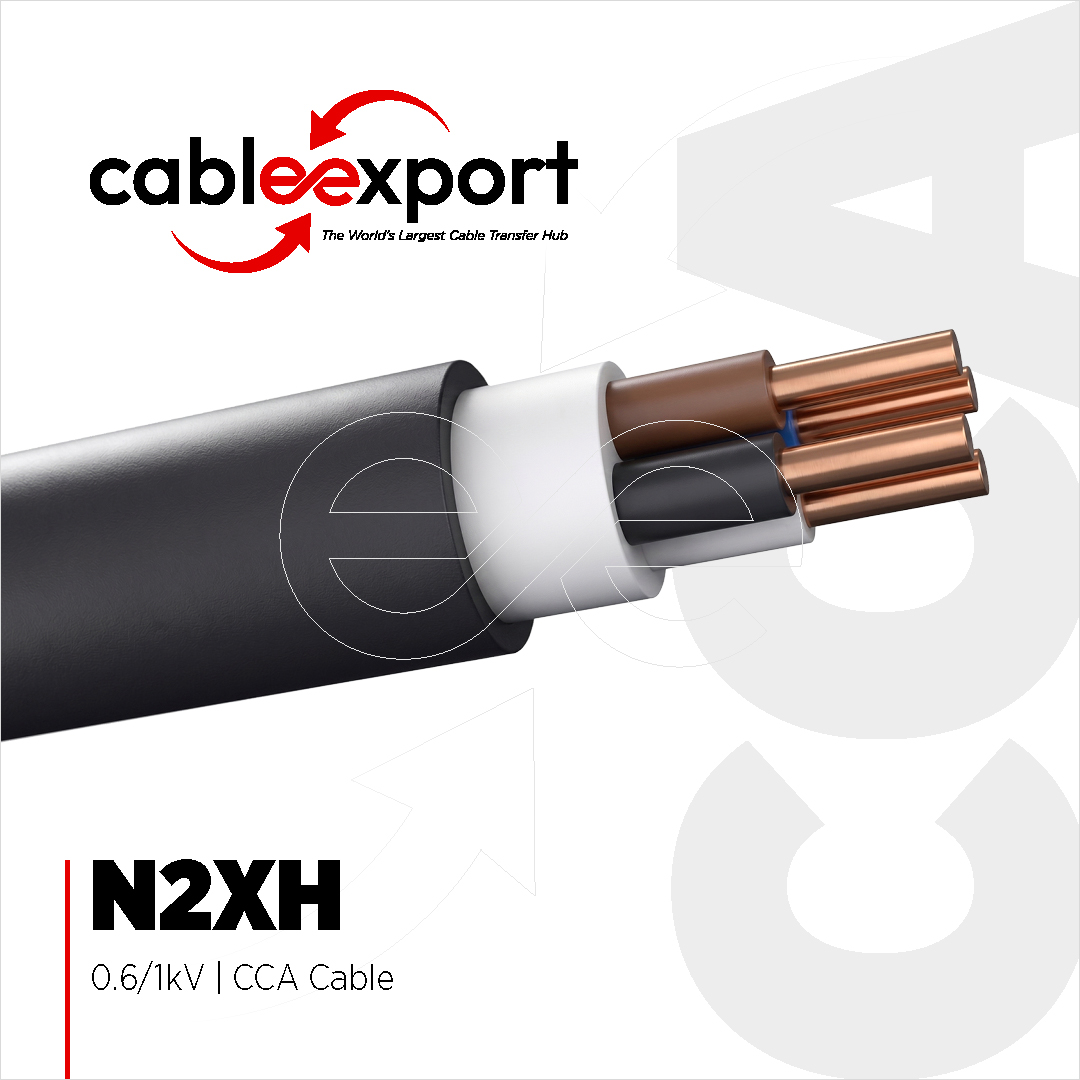
The N2XH 4×16 mm² 0.6/1kV power cable is a high-performance, halogen-free installation cable engineered for fixed applications in industrial plants, commercial buildings, power stations, and areas with high concentration of human life or valuable assets. Built with XLPE insulation and a specialized outer compound, this cable prevents the propagation of flames and emits no corrosive gases during a fire, ensuring maximum safety for personnel and sensitive equipment.
Key Technical Specifications
Designed for reliability and operational longevity, the N2XH 4×16 mm² cable incorporates professional-grade materials and strict manufacturing tolerances. Below is the summary of its technical parameters:
| Parameter | Specification |
| Cable Type | N2XH |
| Conductor Cross-Section | 4 x 16 mm² |
| Rated Voltage (Uo/U) | 0.6 / 1 kV |
| Insulation Material | XLPE (Cross-linked Polyethylene) |
| Conductor Type | Solid or Stranded Copper Conductor |
| CPR Fire Performance Class | Cca-s1, d2, a1 |
| Flame Retardancy | Yes (Halogen-Free, Non-Corrosive) |
Applications & Installation
This multi-core copper conductor cable is suitable for indoor installations, in cable ducts, in dry and damp environments, as well as in masonry and under plaster. Due to its superior fire safety characteristics, it is extensively specified by electrical engineers and procurement managers for high-rise buildings, hospitals, schools, airports, shopping centers, and industrial facilities requiring stringent building regulations compliance. It is not intended for direct burial in earth or water without additional mechanical protection.
Standards & Compliance
The N2XH 4×16 mm² 0.6/1kV cable is manufactured in strict accordance with international quality management systems and regional standardizations. It complies with TS HD 604 S1 specifications. Furthermore, it holds a Construction Products Regulation (CPR) classification of Cca-s1, d2, a1, verifying its superior reaction to fire, extremely low smoke emission, absence of acidic gases, and minimal droplet formation during combustion.